
The Mobile Teams
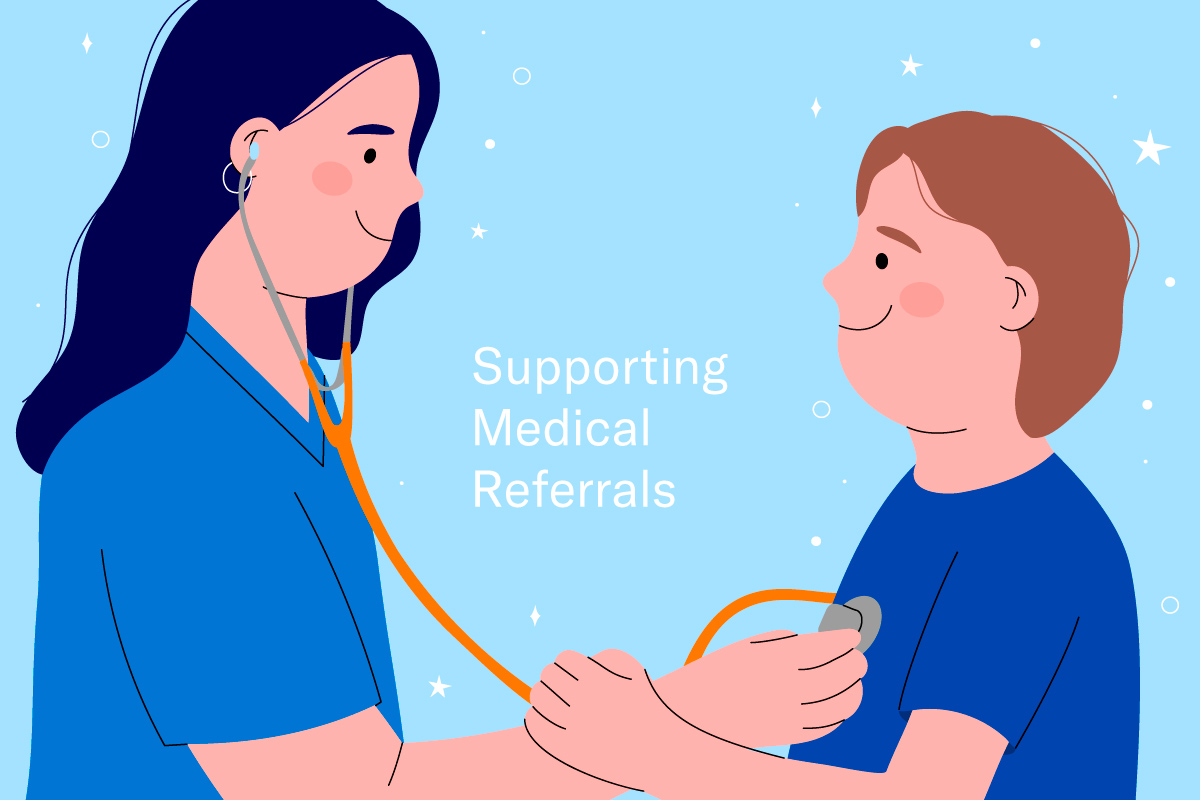
Since December 2022, we’ve been running 11 mobile health teams in frontline areas of Kherson, Mykolaiv, Kharkiv, and Dnipro regions. Each team includes a family doctor, mental health specialist, and community health volunteers. We work in villages where the conflict has destroyed healthcare infrastructure and public transportation networks.
Our program follows the Ukraine Health Cluster’s Cash and Voucher Assistance for Health Framework, which recognizes cash and voucher assistance as a legitimate way to deliver health support in humanitarian contexts.
The Problem
Our doctors can handle primary care, but many patients need specialists, diagnostic tests, or procedures only available in regional medical centers. When our family doctors refer patients to the next level of care, we found that fewer than 50% actually received the service.
Half of patients of mobile teams never make to the referred service
We tracked every referral digitally to understand why. The answer was clear – people couldn’t afford transportation. In the regions public transportation is not available, getting from point A to point B by private taxies is a luxury for most of the villagers. It can easily get 2,000 – 3000 hryvnias or half of the household’s monthly income.
For elderly pensioners living on fixed incomes, that’s impossible.
Referral Services
Our referrals cover:
- Specialist consultations: neurologists, gynecologists, ENT specialists, ophthalmologists, surgeons, traumatologists
- Diagnostic tests: blood work (CBC, HbA1c, chemistry panels, coagulation tests), urine tests
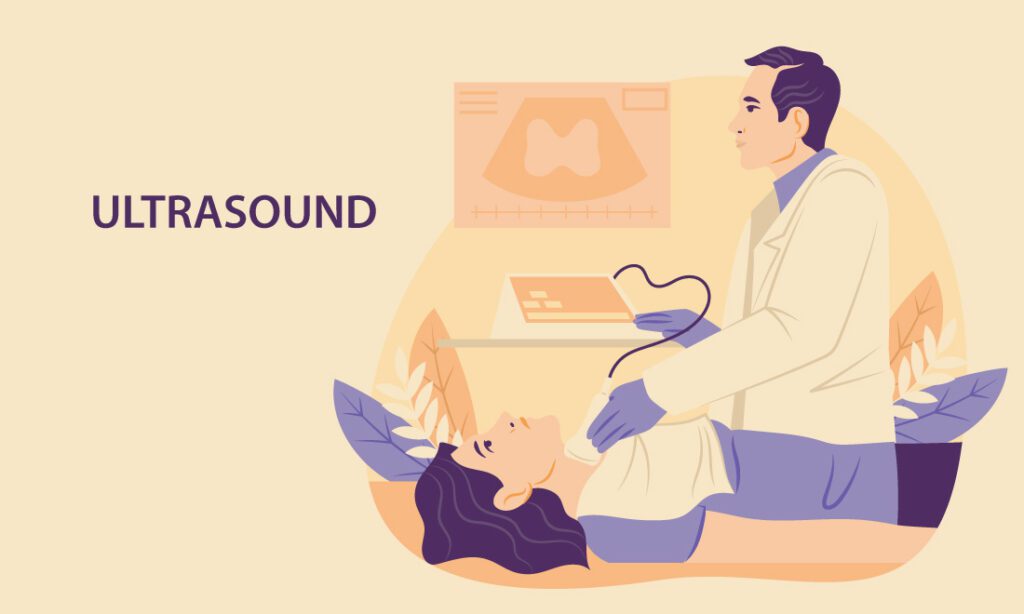
- Imaging: ultrasound, X-rays, MRI, CT scans (we later got handheld ultrasounds for screening, but comprehensive imaging still requires referral)
- Procedures: endoscopy, gastroscopy, and other diagnostic procedures
The Solution: Cash for Transportation
If transportation cost is the barrier, provide cash for transportation.
Simple logic. But we had to design it carefully to avoid creating dependency or duplicating other aid programs.
Who Gets It
Inclusion criteria:
- Patient seen by our mobile clinic
- Referral is clinically necessary and evidence-based
- Patient can’t afford transportation
- Lives in an area with disrupted public transport (most frontline villages qualify)
Exclusion criteria:
- We don’t support services requiring continuous monthly visits (unsustainable): physiotherapy, cancer treatment, TB diagnostics, etc.
- No alternative medicine or non-evidence-based treatments
- Maximum once every six months per person (except for essential follow-ups like post-operative monitoring)
Few exceptions, one became our success story:
a child had cardiac surgery, and we supported both the initial trip and the follow-up echocardiogram. The follow-up was clinically necessary even though it was within single month – to confirm the recovery is going according to the plan !!!
How Much We Pay
We calculate based on distance traveled:
- Fuel consumption at 12 liters per 100 kilometers.
- Vehicle maintenance / amortisation costs.
- Small markup (10-15%) for the driver.
Amounts range from about 600 hryvnias ($15) to a maximum of 1,800 hryvnias (averaging $45). The calculation is straightforward—distance times fuel cost plus maintenance. No mystery.
How We Transfer
Two modalities:
- Bank transfer. For patients with bank accounts
- UkrPoshta transfer – cash by mail.
UKR Poshta is a Ukraine’s national postal service with offices in almost every village. Many elderly residents get their pension payments in the numerous UkrPosha offices.
How the Process Works
- Health consultation: Our family doctor identifies need for specialist referral and completes digital referral form in our management information system
- E-referral system: If the service is covered by Ukraine’s National Health Service (NHSU), our doctors use the MEAS medical information system (eHealth/Helsi). For NHSU-covered services, we automate much of the process using RPA tools like Power Automate—generating emails, converting documents to PDF, handling routine paperwork
- Protection screening: Our social worker checks the vulnerability scorecard and verifies the person isn’t receiving Multi-Purpose Cash Assistance (MPCA) from other organizations in the same month. No duplication.
- Document collection: We collect standard ID documents plus bank account details (or arrange UkrPoshta transfer)
- Transfer: Average processing time is 1.5 months from referral to cash receipt
The collaboration between health staff and protection/social work staff is essential. Research shows that CVA works best when it complements, not replaces, direct health services.
Results
Without cash support: 58% of referred patients received the service.
With cash support: 80-82% of referred patients received the service.
Read our detailed research findings here.
What We Learned
The bottleneck was exactly what patients told us it was. We didn’t need complex analysis—transportation cost was the barrier. When we removed it, people went.
Some people have bank accounts, some don’t. That’s why we offer both bank and UkrPoshta transfers. Not complicated.
Automation helps. Power Automate handling routine paperwork for NHSU-covered services freed up our staff to focus on patients who needed more support.
The six-month rule works, mostly. Occasionally clinical need requires exceptions (like post-operative follow-ups), but the rule prevents dependency.
Checking for MPCA overlap matters. Limited humanitarian funds should reach those who need them most, not stack on the same people.
Average $27 changes outcomes. For that modest cost, we doubled the likelihood someone received potentially life-saving care. Hard to find better cost-effectiveness in healthcare delivery.
Bottom Line
Transportation cost prevented people from accessing healthcare their doctors prescribed. We provided transportation cash. Success rates doubled. Sometimes humanitarian response really is that straightforward.
Implemented across Kherson, Mykolaiv, Kharkiv, and Dnipro regions, 2023-2025, supporting 11 mobile health teams.
Leave a Reply