
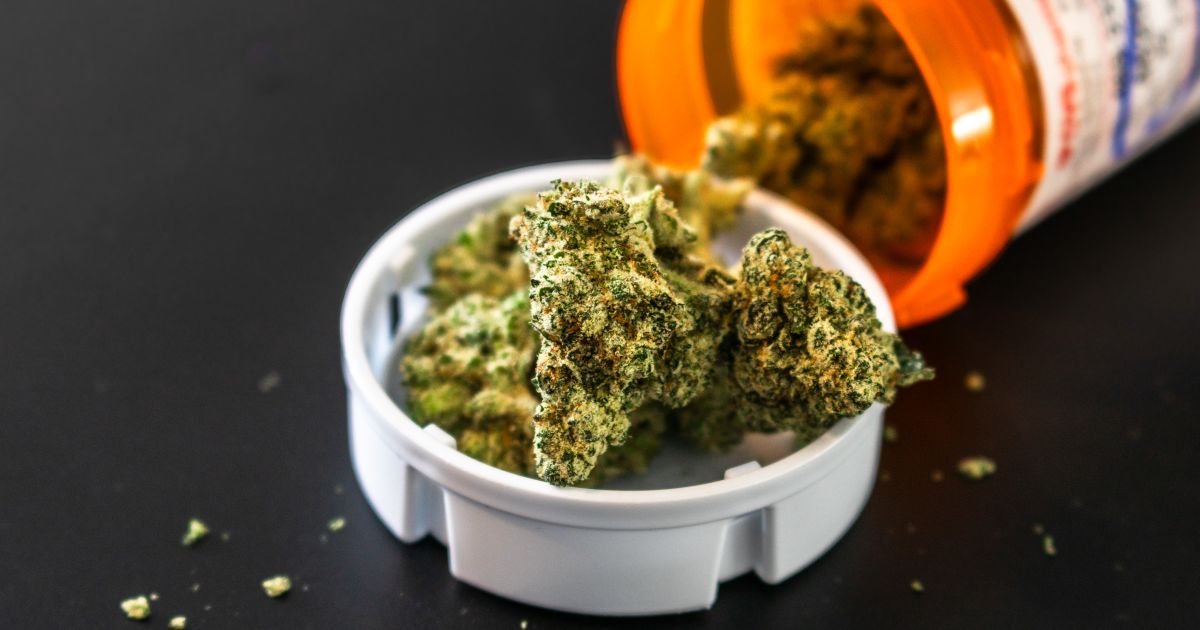
Ukraine has reached a milestone two years in the making. A pharmacist has dispensed the country’s first prescription for a medical cannabis preparation, confirming that the legal framework put in place after the 2024 legalisation law has finally translated into actual patient access.
The product is an oral oil preparation — a full-spectrum cannabis extract with measured doses of THC and CBD. Dispensing requires an electronic prescription issued through Ukraine’s eHealth system, and participating pharmacies must hold three separate licences covering retail trade, pharmaceutical manufacturing, and narcotic substance handling.
What conditions qualify?
Ukraine’s approved indication list currently covers:
- Chronic pain (including cancer-related and neuropathic pain)
- Chemotherapy-induced nausea and vomiting
- Drug-resistant epilepsy and childhood seizure disorders
- Parkinson’s disease
- Tourette syndrome
- HIV/AIDS-associated anorexia and wasting
For all other conditions, access is possible through a medical advisory committee decision at accredited hospital facilities. Patient advocacy groups continue to push for formal inclusion of PTSD — a significant gap given the scale of war-related trauma in Ukraine.
For a full list of qualifying conditions and prescribing rules, see the Ministry of Health announcement.
Countries where medical cannabis is legal
Ukraine joins a growing number of countries that permit cannabis-based medicines by prescription. These include Germany (which significantly expanded access in 2024), the Netherlands, Italy, Portugal, Poland, Czech Republic, North Macedonia, and Malta in Europe; Canada and the United States (at the federal and state levels) in North America; Australia, New Zealand, Thailand, and Israel globally. The UK permits specialist prescriptions on a named-patient basis. Most programmes share a common core of approved conditions — pain, epilepsy, spasticity, and chemotherapy side-effects — while differing on PTSD, mental health indications, and reimbursement.
Ukraine’s programme is still in early rollout. As of early 2026, roughly 200 pharmacies nationwide are in a position to meet the licensing requirements for dispensing.