

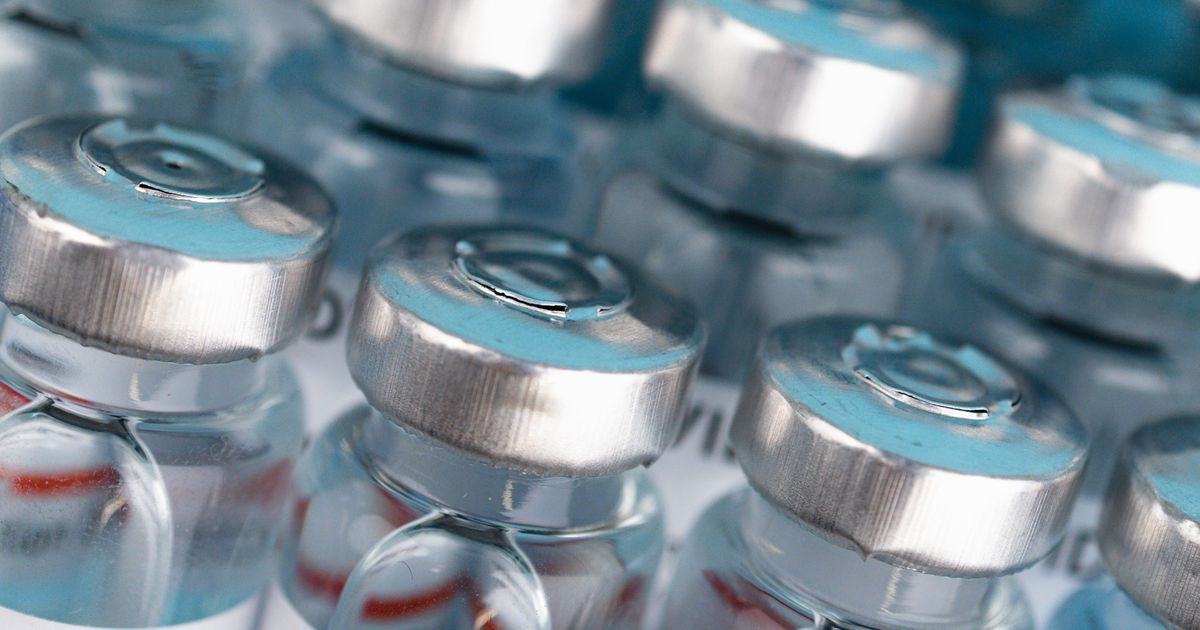
Ukraine’s Ministry of Health has announced the distribution of 600 autonomous medical refrigerators to over 100 health facilities spanning 22 oblasts. The units are capable of maintaining the required cold-chain temperature range for up to 48 hours without any electricity supply — a specification designed directly for Ukraine’s current reality of intermittent power cuts and infrastructure attacks.
What’s being delivered
- 600 units of autonomous medical-grade refrigerators procured through UA Brokers Without Borders, an international non-profit run by Ukrainians abroad
- Coverage across 22 oblasts — over 100 facilities in total
- Up to 48 hours of autonomous operation without grid electricity, using passive insulation technology developed by Coolfinity
- Targeted at facilities managing vaccine stocks, blood products, and temperature-sensitive medicines
- Rollout timed ahead of the next heating season, when grid attacks historically intensify
Why this matters
- Standard medical refrigerators fail within 4–6 hours of a power cut — a recurring problem documented across frontline oblasts
- Vaccine potency losses during blackouts are largely invisible: the dose looks intact but immunogenicity drops, undermining campaign outcomes
- HPV, MMR, and hepatitis B vaccines are among the most cold-sensitive in Ukraine’s routine schedule — all require uninterrupted 2–8°C storage
- The intervention crosses two stated government health priorities: winter resilience for the healthcare system and prevention through immunisation
Oleks’ take
My current organisation has been running a similar programme after identifying real challenges in storing the HPV vaccine — a product we facilitated access to through a voucher modality. Cold chain failures in that context aren’t abstract: they translate directly into wasted doses, re-vaccination needs, and eroded trust in facilities.
This is timely and much-needed support. It sits at the intersection of two things Ukraine’s health system is simultaneously trying to solve: keeping infrastructure functional through the winter, and sustaining prevention programmes. Since we’ve been talking specifically about HPV, this also connects directly to the National Cancer Control Strategy — where the vaccine is one of the few primary prevention tools available at scale. Getting cold chain right isn’t a logistics footnote; it’s a cancer prevention intervention.