

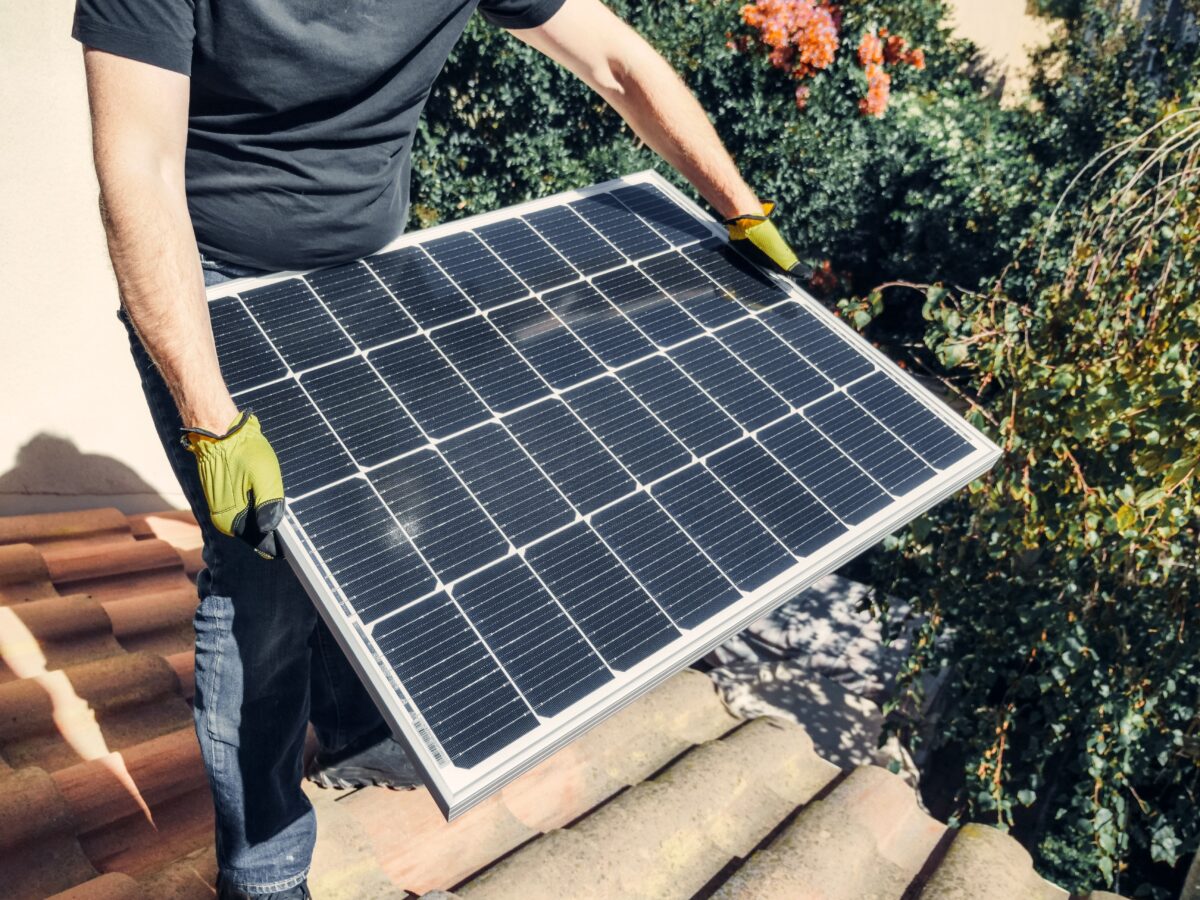
Ukraine’s ‘Ray of Hope’ (Промінь надії) solar energy programme — a joint initiative of the European Commission, the Ministry of Energy of Ukraine, and the Ministry of Health of Ukraine — has grown from a pilot covering 17 hospitals into one of the country’s most consequential health system resilience efforts. Launched in March 2023 and implemented through the Ukraine Energy Support Fund (UESF) the programme equips health facilities with solar systems and battery storage.
By the end of 2025, solar stations were fully operational in 50 health facilities across Ukraine, including 13 in frontline regions, with a combined installed capacity of 4,759 kW. In early 2026, momentum accelerated: by late March 2026, the number of facilities with active solar generation had reached 56 — 14 of them in frontline oblasts — with a cumulative capacity of 5,219 kW.
Between January and the end of April 2026 alone, seven additional facilities came online, adding 590 kW of new generation. Active construction continues at a further 83 sites, three of them nearing completion, while 123 additional medical facilities are currently in tender procedures.
The EU Civil Protection Mechanism and Italian Civil Protection authorities played a key logistics role, supporting the transport and delivery of solar panels donated by Italian energy company Enel S.p.A. — over 5,876 panels with a combined capacity of approximately 2 MW were delivered in the initial phase.
The programme is unfolding at exactly the right moment. As the Health Cluster in Ukraine has noted, winterization of health facilities is a strategic priority — and energy autonomy is its foundation.
Olek’s Take
The rapid expansion of the Ray of Hope registry raises a question that the humanitarian sector should take seriously. As more facilities appear in the database of covered sites — with their location, capacity, and infrastructure needs documented — NGOs planning their own energy resilience projects have a direct opportunity to use this information to avoid duplication. An organisation preparing a solar or generator support intervention can cross-check against the ministry database before finalising its target list.
The Health Cluster is well placed to facilitate this: a proactive coordination mechanism that links the Ray of Hope facility register to NGO project pipelines would reduce overlap, preserve funding for gaps, and align civil society contributions with the strategic priorities.
Sources: Ministry of Energy of Ukraine; Ministry of Health of Ukraine; EU External Action Service (EEAS); Energy Community Secretariat; Interfax Ukraine.